A successful Kakobuy outfit guide should make getting dressed easier, not turn a simple choice into a complicated styling exercise. This Kakobuy Best Links guide develops a durable night-out outfit with movement, storage, and visual impact around six current Outfitreps listings. Every product image and every product button below points to the corresponding Outfitreps detail page, so you can evaluate the exact listing rather than search for a similar item later.
The visual direction is built around black, red, smoke grey, and chrome. The preferred silhouette uses a graphic focal point anchored by practical bottoms. Those two decisions create a reliable filter: an item belongs in the outfit only when it supports the palette, improves the proportions, or solves a practical need. This approach keeps the result coherent even when individual products come from different sellers or product categories.
Start with a clear outfit strategy
Begin by deciding where the outfit will actually be worn. Consider the longest period of the day, the amount of walking, the likely temperature changes, and whether you need to carry a laptop, camera, water bottle, or an extra layer. A visually exciting outfit that becomes uncomfortable after an hour is not a useful recommendation. For a durable night-out outfit with movement, storage, and visual impact, comfort and mobility are treated as design constraints from the beginning rather than corrections made at the end.
Next, choose one item to lead and ask the other pieces to support it. The lead could be a sneaker with an unusual sole, a jacket with strong texture, a shaped bag, or a watch that introduces a polished finish. When every item tries to become the focal point, the outfit loses hierarchy. A clear lead item gives the eye somewhere to land and lets simpler products feel intentional rather than plain.
Finally, use repetition to connect the outfit. Repetition does not require exact color matching. A cool grey shoe can relate to a silver watch; a cream graphic can echo an off-white sole; a dark bag can repeat the deepest tone in a jacket. Two or three small connections usually create more polish than a perfectly matched set. This is especially important when building from online product photos that may have different lighting and white-balance conditions.
Six Outfitreps products for this guide
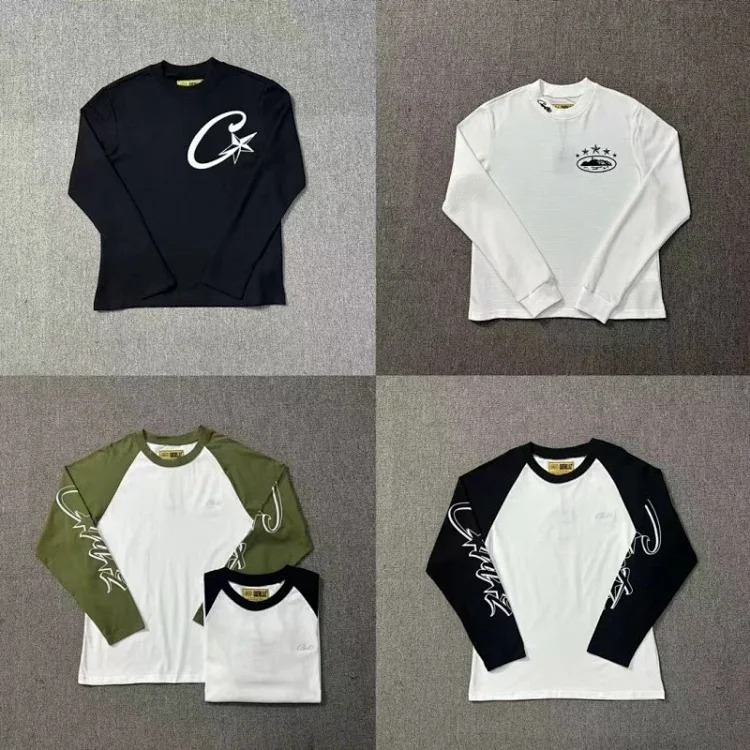
Long Sleeve T-shirt Loose Casual Round Neck Couple Five-Star Waffle
View product on Outfitreps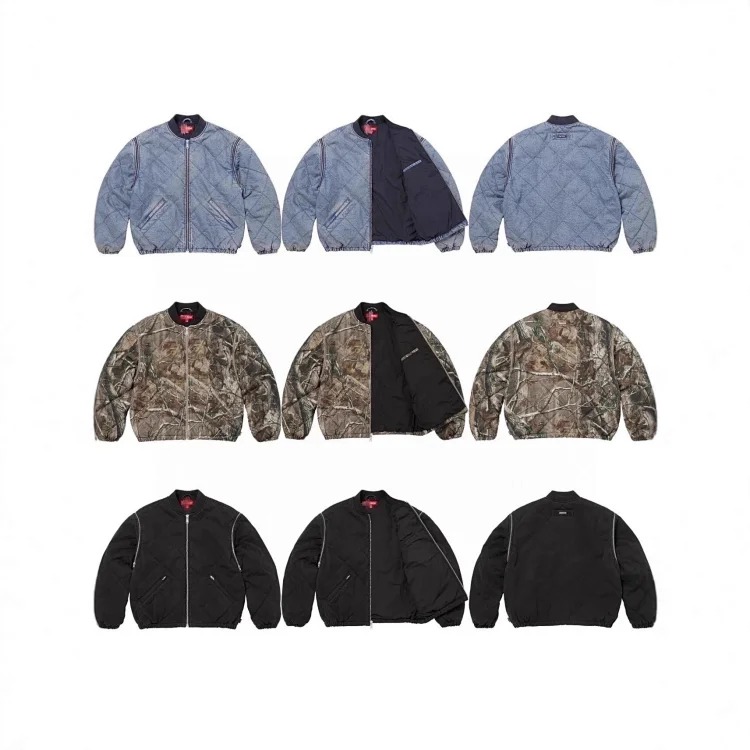
Detachable zipper sleeves flight jacket vest two-in-one cotton highest
View product on Outfitreps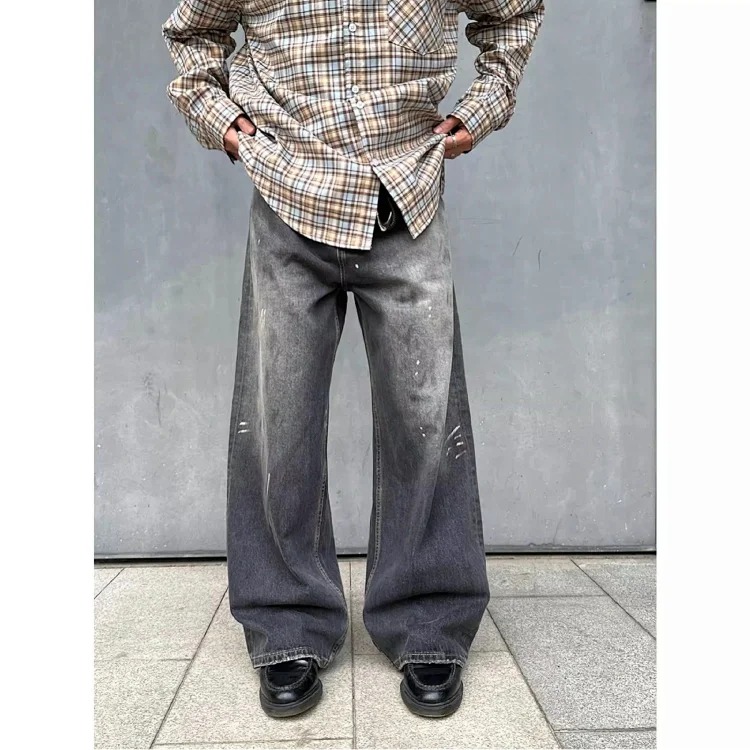
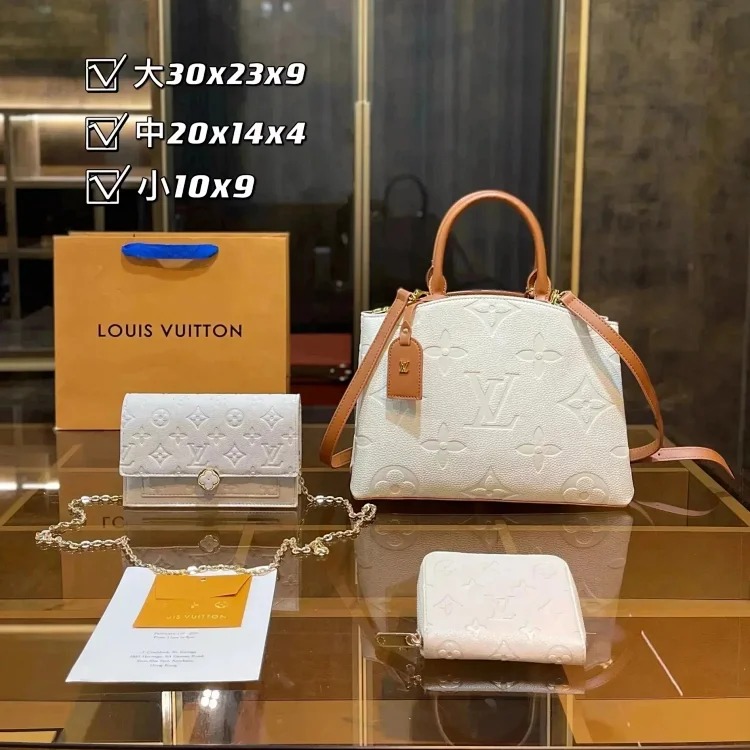
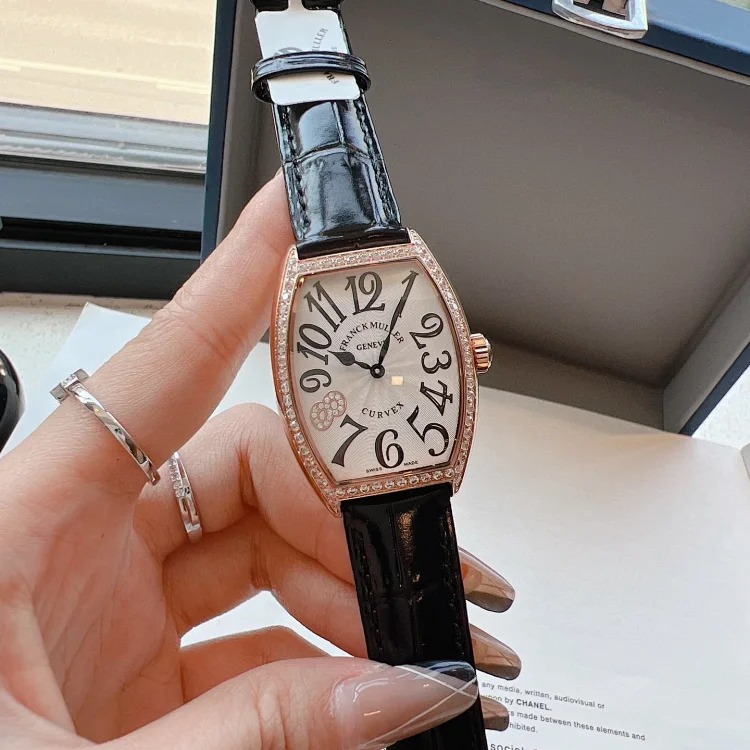
Franck Muller FM Franck Muller barrel-shaped women's quartz women's watch women's watch 31
View product on OutfitrepsHow each product earns its place
1. Long Sleeve T-shirt Loose Casual Round Neck Couple Five-Star Waffle
This t-shirts option acts as the foundation in the plan. Study its visible shape, color distribution, and material cues before deciding which variation best supports a durable night-out outfit with movement, storage, and visual impact. The goal is not to copy every detail shown in the listing photo. Instead, use the product as a controlled building block: repeat one color elsewhere, give its volume enough breathing room, and avoid adding another item that competes at exactly the same visual strength. Open the Outfitreps detail page to review the available listing information and images before you save it to a final purchase list.
2. Detachable zipper sleeves flight jacket vest two-in-one cotton highest
This jackets option acts as the visual anchor in the plan. Study its visible shape, color distribution, and material cues before deciding which variation best supports a durable night-out outfit with movement, storage, and visual impact. The goal is not to copy every detail shown in the listing photo. Instead, use the product as a controlled building block: repeat one color elsewhere, give its volume enough breathing room, and avoid adding another item that competes at exactly the same visual strength. Open the Outfitreps detail page to review the available listing information and images before you save it to a final purchase list.
3. Splashed Ink Jeans Retro Straight Leg Loose Boys Jeans
This men's pants option acts as the proportion-setting layer in the plan. Study its visible shape, color distribution, and material cues before deciding which variation best supports a durable night-out outfit with movement, storage, and visual impact. The goal is not to copy every detail shown in the listing photo. Instead, use the product as a controlled building block: repeat one color elsewhere, give its volume enough breathing room, and avoid adding another item that competes at exactly the same visual strength. Open the Outfitreps detail page to review the available listing information and images before you save it to a final purchase list.
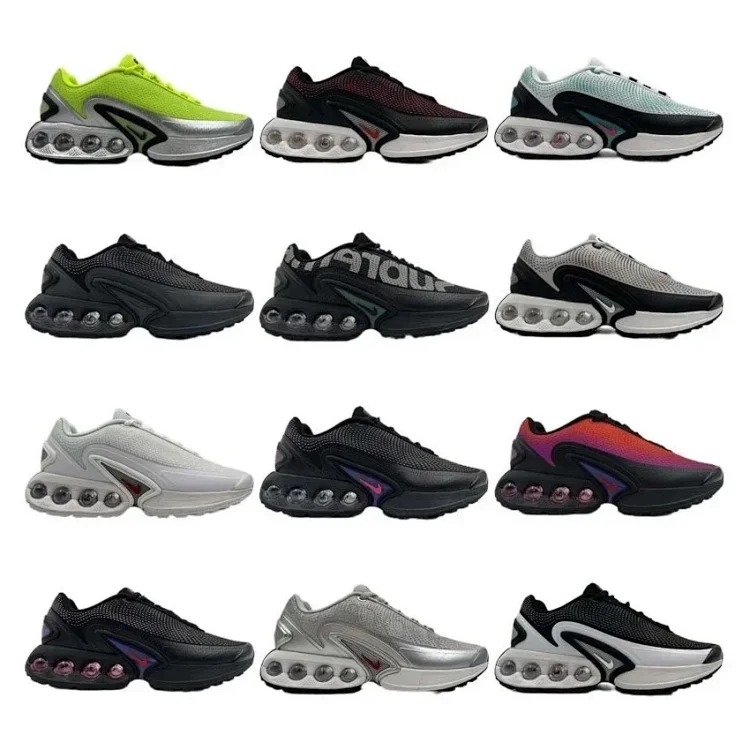
4. Max Dn Sneakers
This shoes option acts as the comfort element in the plan. Study its visible shape, color distribution, and material cues before deciding which variation best supports a durable night-out outfit with movement, storage, and visual impact. The goal is not to copy every detail shown in the listing photo. Instead, use the product as a controlled building block: repeat one color elsewhere, give its volume enough breathing room, and avoid adding another item that competes at exactly the same visual strength. Open the Outfitreps detail page to review the available listing information and images before you save it to a final purchase list.
5. OG1-fashion bag
This bags option acts as the storage solution in the plan. Study its visible shape, color distribution, and material cues before deciding which variation best supports a durable night-out outfit with movement, storage, and visual impact. The goal is not to copy every detail shown in the listing photo. Instead, use the product as a controlled building block: repeat one color elsewhere, give its volume enough breathing room, and avoid adding another item that competes at exactly the same visual strength. Open the Outfitreps detail page to review the available listing information and images before you save it to a final purchase list.
6. Franck Muller FM Franck Muller barrel-shaped women's quartz women's watch women's watch 31
This watches option acts as the finishing detail in the plan. Study its visible shape, color distribution, and material cues before deciding which variation best supports a durable night-out outfit with movement, storage, and visual impact. The goal is not to copy every detail shown in the listing photo. Instead, use the product as a controlled building block: repeat one color elsewhere, give its volume enough breathing room, and avoid adding another item that competes at exactly the same visual strength. Open the Outfitreps detail page to review the available listing information and images before you save it to a final purchase list.
Build the outfit in the right order
Start with the item that has the least flexibility. Footwear often determines trouser length and overall formality, while a statement outer layer determines the amount of visual room available underneath. Put that item into the plan first, then add the bottom and primary top. Only after those three pieces feel balanced should you add the bag, watch, or secondary layer. This sequence prevents accessories from disguising a weak foundation.
Use the product images as proportion references, not as promises of exact fit. Compare the apparent shoulder width, garment length, rise, leg opening, and shoe profile with pieces you already own. Record your own measurements in centimeters and compare them with any seller information available on the Outfitreps product page or its linked source. If a key measurement is unavailable, treat that uncertainty as part of the decision instead of assuming a standard size will behave like a familiar brand.
For this guide, the outfit should read clearly from several distances. From across a room, the silhouette and largest color blocks matter most. At conversational distance, texture, graphics, and layering become visible. Up close, stitching, hardware, and accessories finish the impression. Check the outfit at all three distances. If it only works as a close-up product collage, simplify the number of details. If it looks empty from nearby, add texture rather than another loud color.
Control fit, balance, and proportion
Volume should move through the outfit in a deliberate way. A broad hoodie or jacket usually benefits from a straighter or cleaner lower half, while wide trousers can work with a shorter or more contained top. This is not a strict rule; it is a useful starting point. The important question is whether the outline has a readable shape. If the top, bottom, and footwear all expand at the same point, the outfit can look heavy even when every individual product is attractive.
Pay attention to transition points: where the top meets the waistband, where the trouser meets the shoe, and where a jacket ends relative to the hips. These boundaries determine whether the body looks lengthened, divided, or compressed. Small changes such as a partial tuck, a slightly shorter mid-layer, or a trouser hem that reveals more of the shoe can improve the whole composition without changing any product.
Comfort needs equal weight. Sit, reach, walk, and carry the intended bag when evaluating a similar outfit at home. A jacket that looks clean while standing may pull across the back when seated. A bag may interfere with a bulky sleeve. A trouser hem may catch under a heel. Planning these movements before ordering helps you choose the most useful size and prevents a visually good item from becoming an unworn purchase.
Use color and texture with restraint
The working palette—black, red, smoke grey, and chrome—should be distributed rather than stacked in one area. Place the darkest value where you want visual weight, then repeat it once in a smaller detail. Use the lightest value to create separation around the face, waist, or footwear. If a product photo has uncertain color accuracy, compare several listing images and keep neighboring pieces neutral enough to tolerate a modest shift in shade.
Texture creates depth when the color range is narrow. Combine smooth cotton, fleece, woven fabric, leather-like surfaces, metal, and rubber in different proportions. Avoid using six equally textured statement pieces. One or two rich surfaces supported by quieter materials will look more convincing and will photograph better. Texture is also practical: a hard-wearing bag and stable outsole may matter more on a travel day than a delicate finish that only looks good in controlled lighting.
Product-check and ordering workflow
Open every product button and verify that the listing still reflects the image used in this guide. Marketplace inventory, color options, and seller details can change. Confirm the category, selected variation, visible branding, size information, and source-link behavior. Save the exact detail-page URL together with a short note about the intended outfit role. A product list without context becomes difficult to review later, especially when several similar black tops or shoes are involved.
Before paying, compare measurements with a known garment laid flat. For tops, prioritize chest width, shoulder width, body length, and sleeve length. For trousers, prioritize waist method, rise, thigh, inseam, and leg opening. For shoes, look for internal length guidance and seller-specific notes rather than relying only on a converted size label. For bags and watches, check physical dimensions against your body and intended daily objects. A product can be well made and still be the wrong scale for the outfit.
When warehouse or quality-control photos become available, review the full item rather than zooming immediately into one detail. First confirm the color and overall model. Then check measurements, symmetry, graphics, seams, closures, soles, hardware, and any area that affects function. Compare the received item with the original listing images saved at the time of purchase. Lighting differences are normal, so use multiple photos before deciding that a shade is incorrect.
Keep decisions consistent across the six products. If one item is rejected for an uncertain measurement, apply the same caution to another listing with equally weak information. If one accent color changes, revisit the repeated color elsewhere in the outfit. A capsule works as a system, and one substitution can affect more than one relationship. Document alternatives in advance so a sold-out listing does not force a rushed replacement.
A practical seven-day wear plan
- Day one: wear the simplest version with the main top, bottom, and shoes. Notice comfort and proportion before adding accessories.
- Day two: introduce the outer layer and test temperature changes indoors and outside.
- Day three: add the bag at its normal carrying weight and check how it interacts with sleeves and hems.
- Day four: repeat the outfit with one color connection changed, such as socks, undershirt, or watch finish.
- Day five: photograph the outfit in daylight from the front, side, and back to review the full silhouette.
- Day six: use the outfit for its longest intended activity and note any friction, heat, or storage problems.
- Day seven: clean, store, and rebuild the outfit from memory. Pieces that are difficult to combine may need a simpler supporting item.
Frequently asked planning questions
Do all six products need to be worn at the same time?
No. The six listings create a useful outfit system, not a requirement to display every purchase at once. A warm-weather version may omit the hoodie or jacket, while an evening version may add both. The bag and watch can alternate depending on the setting. The best guide gives you several coherent combinations from a small set rather than one overloaded look.
How should I handle a sold-out product?
Replace the function before replacing the appearance. Identify whether the missing item supplied warmth, structure, color repetition, storage, or the focal point. Search the relevant Outfitreps category for another listing that performs the same job and has comparable visual weight. Matching the role preserves the outfit more reliably than searching only for a similar product name.
What if the colors look different in warehouse photos?
Evaluate the shift in relation to the full palette. A slightly warmer grey may still work with cream and navy, while a strongly saturated replacement may become a new focal point. Review images under different lighting if possible. If the change breaks the outfit, simplify the neighboring colors rather than forcing an exact correction through another uncertain online purchase.
How can I keep the outfit from looking copied?
Use the guide as a framework and bring in your own proportions, climate needs, and existing basics. Change the layering order, repeat a personal accent color, choose a different bag scale, or substitute a familiar plain garment. Personal style comes from consistent decisions, not from maximizing the number of unusual products in one look.
What is the most important final check?
Confirm that every item has a clear job and that the outfit remains comfortable for the real schedule. The six selected listings—Long Sleeve T-shirt Loose Casual Round Neck Couple Five-Star Waffle, Detachable zipper sleeves flight jacket vest two-in-one cotton highest, Splashed Ink Jeans Retro Straight Leg Loose Boys Jeans, Max Dn Sneakers, OG1-fashion bag, and Franck Muller FM Franck Muller barrel-shaped women's quartz women's watch women's watch 31—should work together, but each should also support at least one additional outfit you already own. That standard improves value, reduces impulse ordering, and creates a wardrobe that stays useful after the first styled photograph.