Warehouse photos are the last practical checkpoint before an item enters an international parcel. This guide turns a quick visual review into a repeatable Kakobuy QC process that covers identity, measurements, construction, function, and shipping readiness.
The target query for this guide is kakobuy qc guide, but the goal is not to repeat that phrase without purpose. The useful answer is a repeatable research process. Each step below explains what evidence to collect, which uncertainty matters, and when a link is ready to move from a saved idea into a real buying workflow. The same method can be applied to a spreadsheet row, a category page, a product image, or a link shared by another shopper.
What this Kakobuy guide is designed to solve
Reviewing kakobuy warehouse photos before approving an international parcel requires more than opening a listing and choosing the first available option. Product pages can change, seller photographs can hide scale, size labels can be inconsistent, and a listing that looked useful when it was saved may no longer show the same variation. A strong research process separates product discovery from purchase approval. Discovery creates a shortlist; verification decides whether a specific listing deserves to remain on it.
Start by creating a short record for every candidate. Save the exact URL, product category, visible title, intended variation, seller measurements, and the date you checked it. Add one sentence describing why the item belongs in your plan. That sentence forces a useful decision: a link should solve a category, fit, color, storage, or styling need. If you cannot explain its role, it is probably still an impulse rather than a researched product find.
A four-step research workflow
- Confirm product identity firstMatch the received model, color, size label, quantity, and selected variation with the saved product page and order note.
- Review the complete silhouetteLook at the whole item before zooming into details so proportions, symmetry, and obvious shape problems are not missed.
- Check construction and functionInspect seams, graphics, closures, soles, pockets, straps, hardware, and every feature that affects normal use.
- Make a shipping decisionSeparate lighting differences from real defects, request an extra photo when evidence is weak, and approve only when the remaining risk is understood.
Complete the four steps in order. Jumping directly to small details can make a shopper miss a basic mismatch, such as the wrong model, a changed product page, or an unavailable variation. The order also creates a record that can be compared later with warehouse images. When a seller page changes after ordering, saved notes make it much easier to identify what was originally expected.
Six product links to use as research examples
The following six Outfitreps listings are examples for applying the process. They are not automatic purchase recommendations. Open each detail page, inspect the current information, and decide whether the evidence supports your own sizing, budget, and use case. Every image and button leads to the corresponding product detail page.
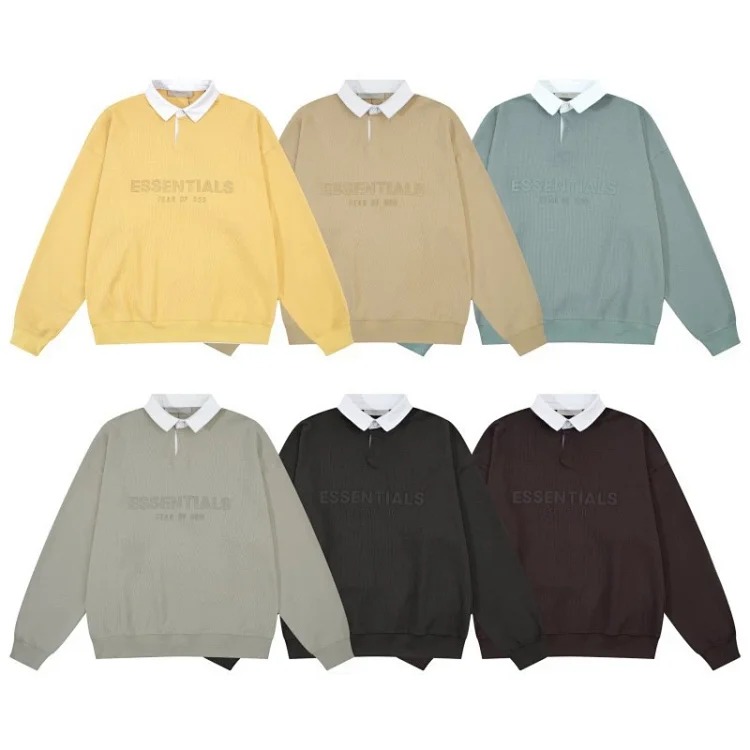
Lapel long sleeve collar loose waffle sweatshirt for men and women couples og
View product on Outfitreps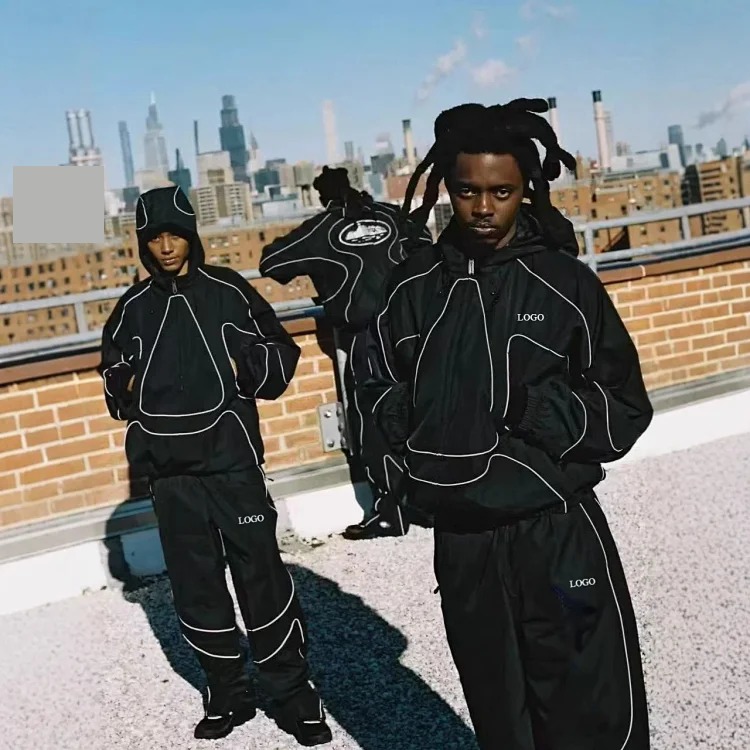
Co-branded hook jacket, hooded men's and women's windbreaker, waterproof reflective strips
View product on Outfitreps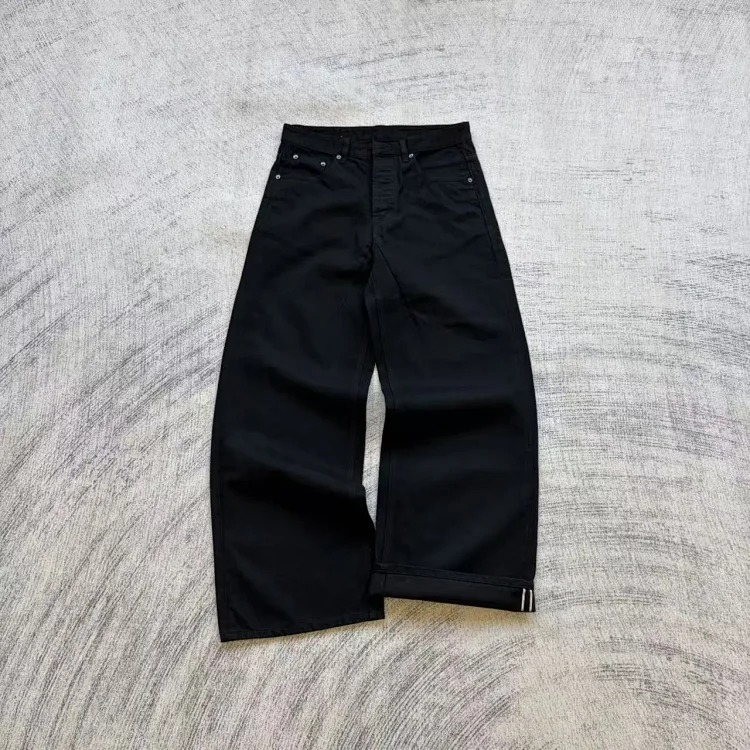
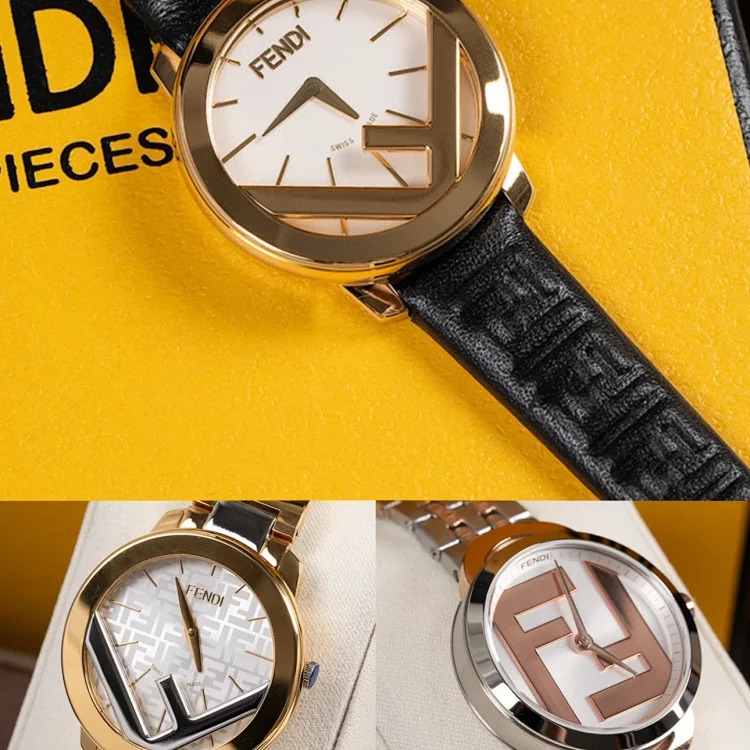
FENDI women's watch|28mm golden aura, elegant poetry on the wrist ✨Ladies quartz watch, wo
View product on OutfitrepsCheck the listing before you evaluate the product
First confirm that the page itself is usable. The destination should load consistently, display the expected category, and provide enough information to distinguish one variation from another. Check whether the title, main image, option names, and visible product details agree. If a shoe link now displays a different model, or a hoodie page no longer contains the color shown in your saved image, treat it as a changed listing and return to the relevant category index for an alternative.
Next, compare several images instead of trusting one thumbnail. Seller images may use different lighting, crops, or sample sizes. Look for repeated evidence: the same pocket placement, outsole shape, graphic position, hardware finish, and color blocking across multiple photos. Repeated details are more reliable than a single dramatic image. When information conflicts, record the uncertainty rather than choosing the interpretation you prefer.
Make size research measurable
Size labels are only starting points. For tops and outerwear, compare chest width, shoulder width, body length, and sleeve length with a garment that already fits the way you want. For trousers, record waist method, rise, thigh, inseam, and leg opening. For shoes, look for seller-specific internal-length guidance and compare it with your foot measurement and a comfortable pair. For bags and watches, compare physical dimensions with your body and normal daily objects.
Write measurements in centimeters and note how they were taken. A flat garment width is not the same as a body circumference, and an outsole measurement is not automatically an internal shoe length. If the listing does not explain the measurement method, ask for clarification or keep a backup link with better information. Uncertainty has a cost: it increases the chance of paying for an item that is technically correct but practically unusable.
Turn product research into a QC checklist
Before ordering, convert the most important listing details into a warehouse checklist. Start with identity: model, color, size label, quantity, and selected variation. Then add category-specific checks. Shoes may need internal length, pair symmetry, sole shape, and upper construction. Hoodies may need chest width, length, graphic position, seams, and fabric appearance. Bags may need dimensions, strap attachment, closures, pockets, and hardware.
When QC photos arrive, review the whole item first. Confirm that it resembles the expected product before zooming into small details. Then compare saved measurements and features. Lighting differences do not automatically mean the color is wrong, but a different graphic, missing pocket, incorrect hardware, or incompatible measurement needs attention. Request an extra photograph when one additional view can resolve a specific question; avoid vague requests that do not tell the warehouse what evidence you need.
Plan the agent route and international parcel
A researched link still needs a practical agent route. Keep the source URL, variation note, measurement target, and QC checklist together. When several items are being consolidated, estimate which products are rigid, bulky, fragile, or likely to increase volumetric weight. A heavy shoe box, structured bag, or thick hoodie can change the economics of the complete parcel even when the individual product price looks attractive.
Do not approve shipping because every item looks perfect in isolation. Review the parcel as a system: destination restrictions, packaging choices, declared information, insurance options, expected delivery window, and the value of keeping or removing retail packaging. The purpose of research is to reduce avoidable surprises at every stage, not only to find an appealing product page.
Use backups without creating an endless list
Keep one primary and one backup link for an important category. The backup should solve the same function and have comparable measurements, not merely share a similar title. Too many saved candidates make comparison slower and encourage last-minute switching. A small shortlist with clear evidence is more useful than a board containing dozens of links that were never checked.
Recheck saved links immediately before ordering. Inventory, options, seller details, and page content can change. Add the new check date to your record. If the listing has changed materially, move to the backup and repeat the verification rather than assuming the old notes still apply. This simple habit keeps a Kakobuy spreadsheet or product board accurate over time.
Continue through the Kakobuy link index
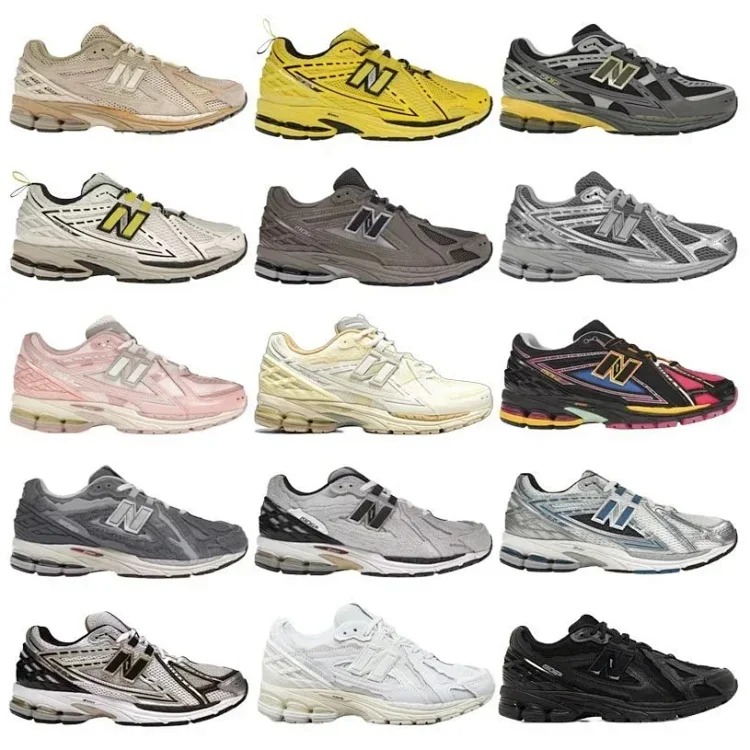
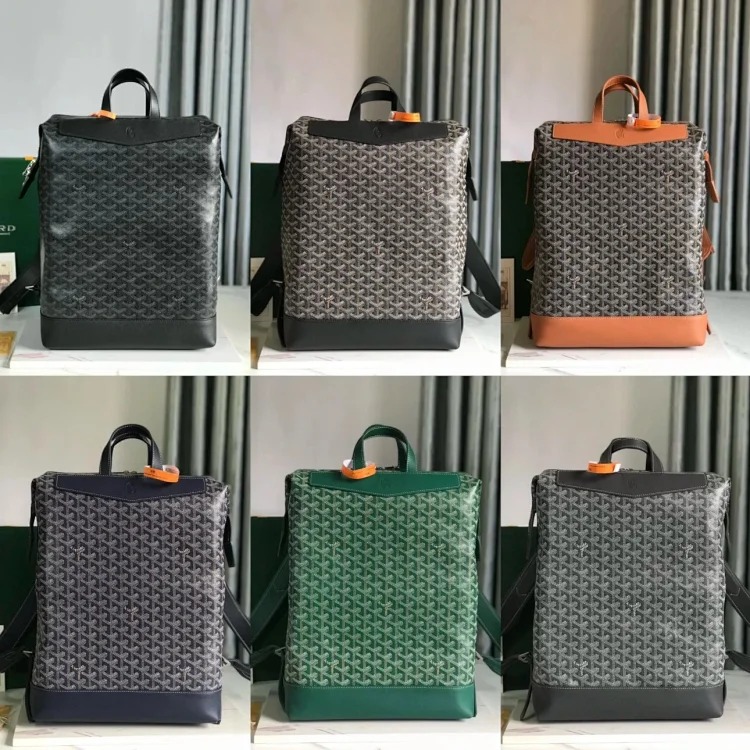
The products used in this guide include New Balance 1906D Sneakers, Lapel long sleeve collar loose waffle sweatshirt for men and women couples og, Co-branded hook jacket, hooded men's and women's windbreaker, waterproof reflective strips, Fmade black red edge cloth denim, Goya backpack GY020225, FENDI women's watch|28mm golden aura, elegant poetry on the wrist ✨Ladies quartz watch, wo. Continue with the Kakobuy Best Links Index, browse the complete Kakobuy guides library, or open the related category directories below. Use the same evidence-based process for every new link.
Shoes links · Hoodies links · Jackets links · Men's Pants links · Bags links · Watches links · All Outfitreps products
Final checklist
- Save the exact product URL and the date it was checked.
- Confirm the current model, category, variation, and available information.
- Compare seller measurements with an item you already own.
- Write category-specific QC points before the order reaches the warehouse.
- Keep one evidence-based backup link for important products.
- Review parcel size, packaging, restrictions, and shipping tradeoffs before approval.
A good Kakobuy research guide should make the next decision clearer. It should not promise that every listing will remain active or that every product will suit every buyer. By separating discovery, verification, QC, and shipping approval, you can use product links as organized evidence rather than treating them as automatic recommendations.