International freight is easier to control when it is treated as part of product research rather than a surprise after the warehouse stage. This Kakobuy shipping cost planning guide shows how to estimate the space and handling needs of a shortlist before ordering, then update the estimate with warehouse evidence before building a parcel.
No estimate can promise an exact final charge before packing. Shipping lines use different rate tables, size limits, restricted-item rules, billing increments, and formulas for dimensional weight. Currency conversion and optional services can also change the total. A useful plan therefore records assumptions, compares realistic scenarios, and leaves a margin for uncertainty. The objective is not to produce a false precise number; it is to identify which product or packaging choice is most likely to change the parcel.
Estimate chargeable weight before products reach the warehouse
Begin with two separate columns: expected physical weight and expected packed dimensions. Physical weight is the mass shown on a scale. Dimensional or volumetric weight converts the space occupied by a parcel into a billable figure, usually by multiplying length, width, and height and dividing by a carrier-specific divisor. The chargeable weight may be the higher of the two. Never copy one formula across every route; record the current rule displayed by the selected shipping line.
Use category ranges only as planning assumptions. Shoes may include a rigid retail box and packing material. A padded jacket or hoodie may be light relative to the space it occupies. A dense watch can be compact but require protective wrapping. A structured briefcase may resist compression and determine one side of the outer carton. Write a low and high estimate for each item, then mark the item that could control parcel dimensions even if it is not the heaviest.
Create three scenarios. The compact scenario removes unnecessary retail packaging and consolidates soft items. The protected scenario keeps boxes or additional padding for products whose shape, surface, hardware, or mechanism needs it. The split scenario separates a fragile, restricted, or oversized item from ordinary clothing. Compare these options against minimum charges, billing increments, route limits, insurance terms, and the risk of damage. The cheapest-looking single rate is not automatically the lowest sensible total.
Also separate product cost, domestic seller delivery, warehouse service, optional QC photos, packing services, international freight, payment or conversion fees, and possible destination charges. This prevents a low freight quote from hiding other components. Use current agent and carrier information rather than an old screenshot. Rates and policies change, so every estimate should include the date, destination, route name, currency, and assumptions used.
Use six product types to model parcel tradeoffs
The following unused OutfitReps listings illustrate different shipping profiles. They are examples for planning, not automatic purchase recommendations. Open each exact product page and check the current seller details, available variations, measurements, and source information before adding it to an agent route.

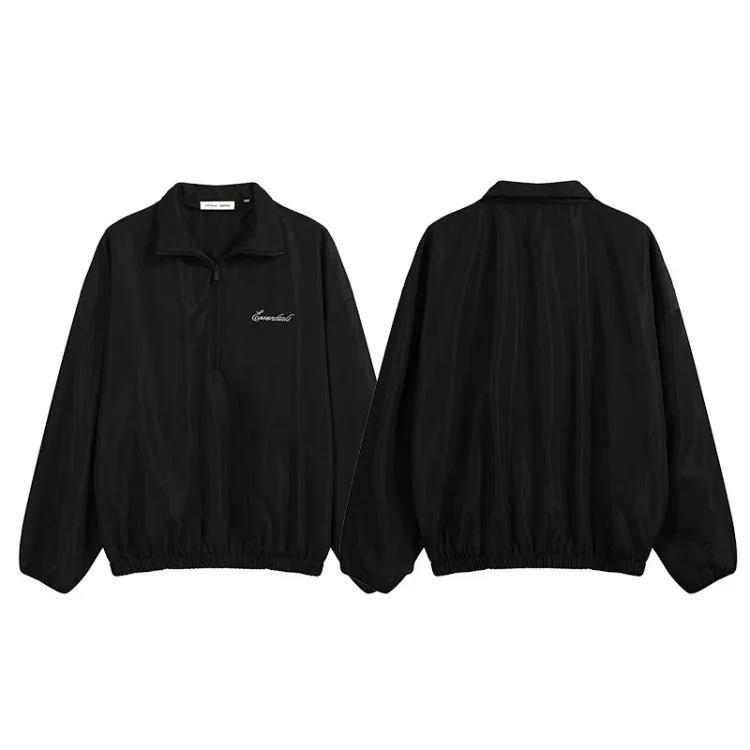
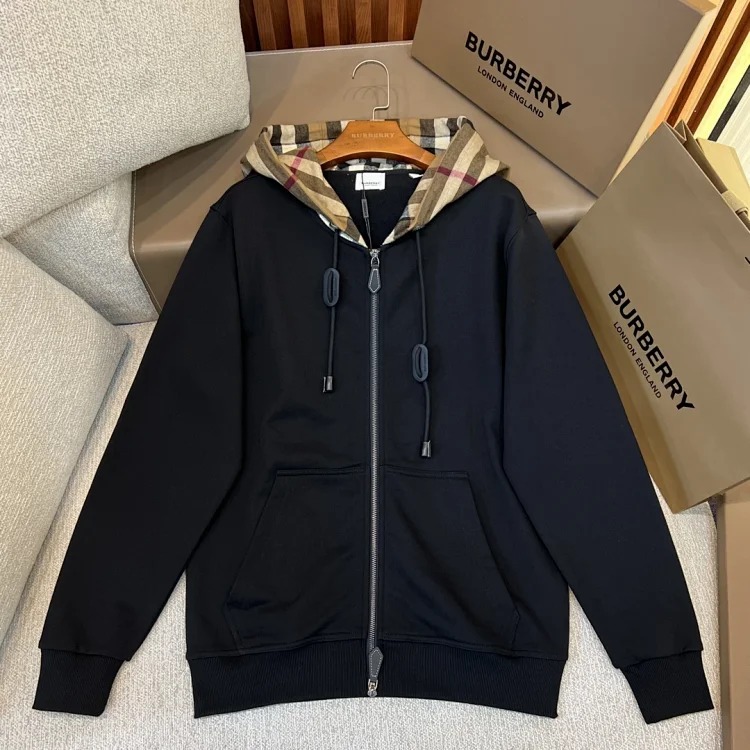

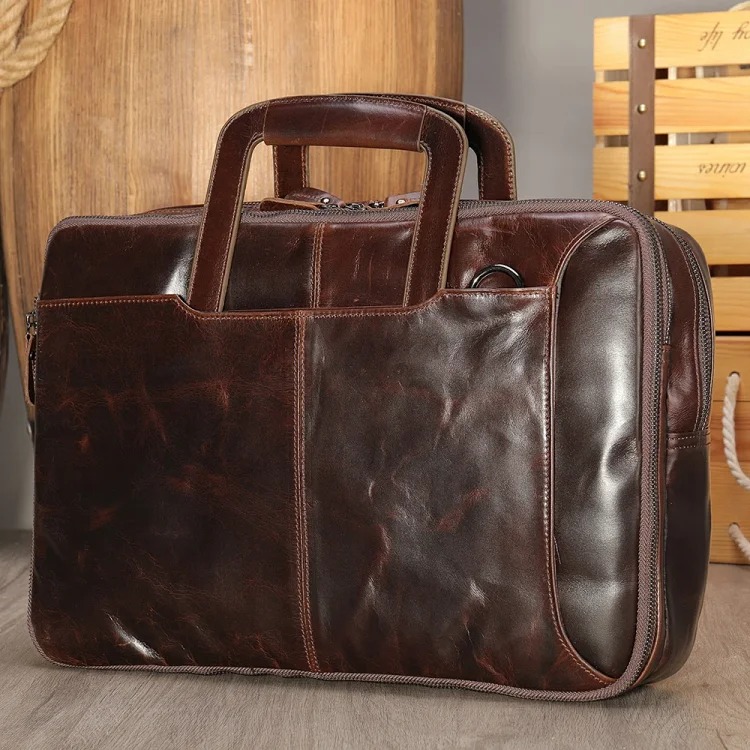

For the shoes, compare a box-kept estimate with a box-removed estimate, but include the protection needed to preserve the upper and sole. For the windbreaker and hoodie, check whether folding or an approved compression option can reduce volume without damaging coatings, prints, or shape. The shorts are a compact baseline that may fill unused space. The structured briefcase can set the carton footprint, while the watch may need a small rigid protective zone even though its volume is modest.
Do not infer dimensions from listing photography alone. Save seller measurements and note whether they describe the product or its retail packaging. Confirm the selected size and material, because a larger garment or different construction can change both weight and folding behavior. If seller information is missing, keep the estimate broad and wait for warehouse measurements before committing to a route.
Turn warehouse QC into reliable packing inputs
When each order arrives, verify product identity before thinking about freight: model, color, size label, quantity, and selected variation. Review standard QC images for visible damage, incorrect construction, stains, major asymmetry, hardware, and surface condition. Compare garment measurements with the seller chart and your own sizing baseline. Shipping an incorrect item efficiently is still an expensive outcome, so approval should come before consolidation.
Record the warehouse weight for each item and determine whether it includes retail packaging. Ask for dimensions when one product may control parcel size, such as a shoe box or structured bag. A photo of the tape should show clear endpoints and a straight measurement. For soft clothing, distinguish folded size from uncompressed garment dimensions. For the watch, confirm protective packaging and ask whether any battery or material classification affects available routes.
Use the new evidence to replace your planning ranges. Keep a simple table with product URL, selected variation, verified weight, proposed packaging, estimated packed dimensions, QC status, and route concerns. This makes consolidation a transparent calculation rather than a last-minute decision. If a measurement or weight appears inconsistent, request clarification before rehearsing dozens of rate combinations with unreliable data.
Review seller details one more time if the received item differs from the saved expectations. Preserve the original listing screenshot, order note, and warehouse photos so the agent workflow has a clear record. Where return or exchange is appropriate, act within the available window instead of adding a questionable item to the parcel simply because international shipping has already been discussed.
Choose consolidation, packaging, and route as one decision
Start parcel rehearsal only with approved products. Compare the physical-weight and dimensional-weight result for each available route, including billing increments. Check maximum side length, total girth, item-category restrictions, destination coverage, tracking, estimated transit range, compensation limits, insurance eligibility, and required declarations. Use the agent’s current route description as the authority; community examples can provide context but may be outdated or based on another destination.
Consolidation usually reduces repeated base packaging, but a larger carton can cross a dimensional threshold. Test whether the structured bag can safely contain a soft item, whether shoes need their own protected space, and whether the watch should be isolated from hard edges. Removing boxes saves space only when replacement protection does not recreate the same volume or increase damage risk. Photograph the rehearsal or final packed layout when the service provides that option.
Splitting can be rational when one item blocks an otherwise suitable line, increases dimensions sharply, needs different protection, or concentrates too much value in one parcel. It can also create two minimum charges, two tracking processes, and two destination events. Compare complete totals and risk, not just price per kilogram. Leave a budget buffer for final packing variance, currency movement, optional services, and destination charges that are not included in the warehouse quote.
Before payment, audit the parcel against a short checklist: every item passed QC; verified weights and critical dimensions are recorded; packaging instructions are compatible with materials; the route accepts every product; the destination address and contact details are correct; declared information follows applicable requirements; tracking and insurance choices are understood; and the final chargeable weight matches the current rate rule. Save the quotation and date.
Keep a versioned cost sheet instead of overwriting the first estimate. One row should show the pre-order range, another the warehouse weight, and a third the rehearsed parcel result. Include the rate per billing unit, any first-weight charge, additional-weight charge, handling fee, packaging service, insurance, and estimated conversion amount. If the final total changes, the sheet should reveal whether the cause was a heavier item, larger carton, different route, billing increment, or optional service. This record also improves the next parcel because the difference between predicted and actual values becomes category evidence rather than a forgotten surprise.
Review time as well as money. Waiting for another product may improve consolidation but can extend warehouse storage and postpone delivery. Splitting an urgent item may cost more while protecting a deadline. Conversely, rushing a parcel before QC questions are resolved can create a much larger replacement cost. Give every product a status—researching, ordered, received, QC pending, approved, return pending, or ready to pack—and build only from approved items. A clear status board prevents an incomplete or disputed order from entering the final rehearsal accidentally.
After delivery, compare the quoted and charged values with the packed dimensions, tracking events, transit time, and condition on arrival. Note which protection was useful and which packaging was unnecessary. Do not treat one successful shipment as a universal route recommendation; destination, season, carrier capacity, and policy can differ. Use the result to narrow future estimates while still checking current agent information for every new parcel.
Continue with the Kakobuy Best Links Index, browse the product category index, follow the link check guide, or review the related Kakobuy agent route guide. Current product alternatives are available through all OutfitReps products, with direct categories for shoes, jackets, and bags.
Good Kakobuy shipping cost planning does not chase the smallest headline rate. It connects product research, sizing, seller details, QC, packing, route rules, and budget into one documented decision. Estimate early, replace assumptions with warehouse evidence, and compare protected, compact, and split scenarios before payment. That process gives you a more realistic parcel plan and makes unexpected cost changes easier to understand.