Jackets are difficult to assess from a single product photograph because their useful fit depends on what sits underneath, where the hem ends, how the shoulder is built, and how the material behaves in motion. This guide turns Kakobuy jacket finds into a structured shortlist based on measurements, climate, layering space, construction, and parcel impact.
The purpose is not to declare one universal best jacket. A light cardigan, padded coat, denim layer, and down jacket solve different problems. Start with the weather and activity you expect, then define the silhouette and base layers you already own. Seller images can introduce a product, but the decision should be supported by a size chart, material information, variation details, warehouse QC evidence, and an agent route that fits the item.
Define fit and layering space before choosing a size
Select a reference jacket from your wardrobe that works with the same intended layers. Close its zipper or buttons, lay it flat without stretching, and record chest width, shoulder width, back length, sleeve length, hem width, and—when relevant—bicep width. Photograph the tape position. Note whether the shoulder is set-in, dropped, or raglan because sleeve measurements can begin at different points. A number without its method is not a reliable comparison.
Measure the base layer too. A jacket worn over a T-shirt needs less ease than one intended for a thick hoodie. Put the complete familiar combination on and note where movement becomes restricted when reaching forward, sitting, or bending the elbows. The new jacket’s flat chest may look generous while narrow armholes or sleeves still prevent comfortable layering. Compare several dimensions and construction points rather than upsizing only from a generic label.
Translate each difference into an expected effect. Extra chest width creates room, but too much can weaken wind protection or distort a short silhouette. Additional shoulder width can produce a deliberate drop, while excess sleeve length may cover the hands. A longer hem improves coverage but changes proportions with trousers and footwear. Record your preference in plain language—such as “room for one medium hoodie, hem near upper hip, cuff at wrist”—before opening the seller chart.
Read seller details carefully. Confirm whether dimensions describe the garment or a recommended body range, whether measurements are flat, and whether a tolerance is stated. Check if colors or batches use different materials. Fabric weight, lining, insulation, ribbing, and coatings affect drape and usable space. Height-and-weight suggestions can provide context, but they cannot replace a garment-to-garment comparison because body proportions and fit preferences vary.
Compare six current OutfitReps jacket examples
The six listings below are unused OutfitReps examples for applying the research method. They are not automatic purchase recommendations. Open each exact detail page and verify the current seller information, variations, measurements, and source before sending a link through an agent workflow.
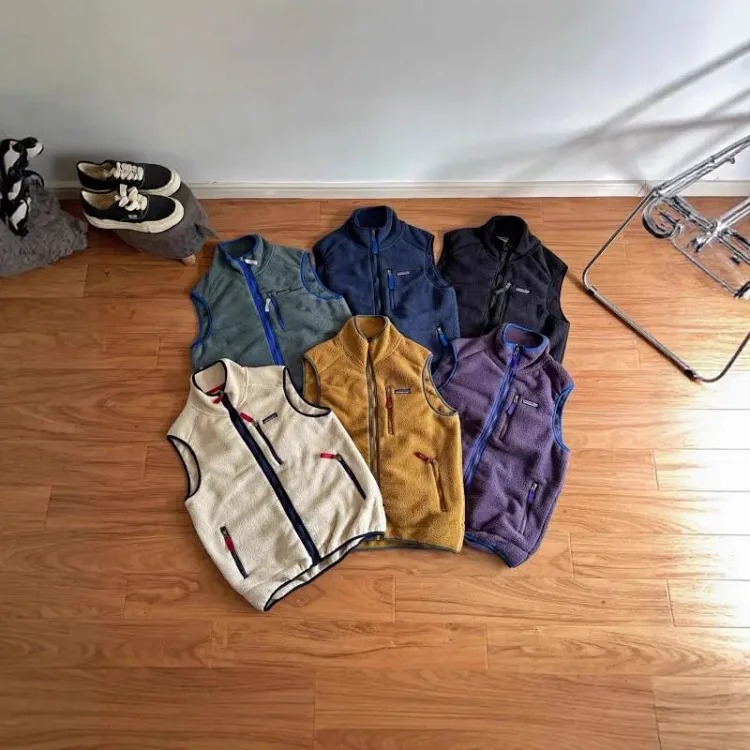
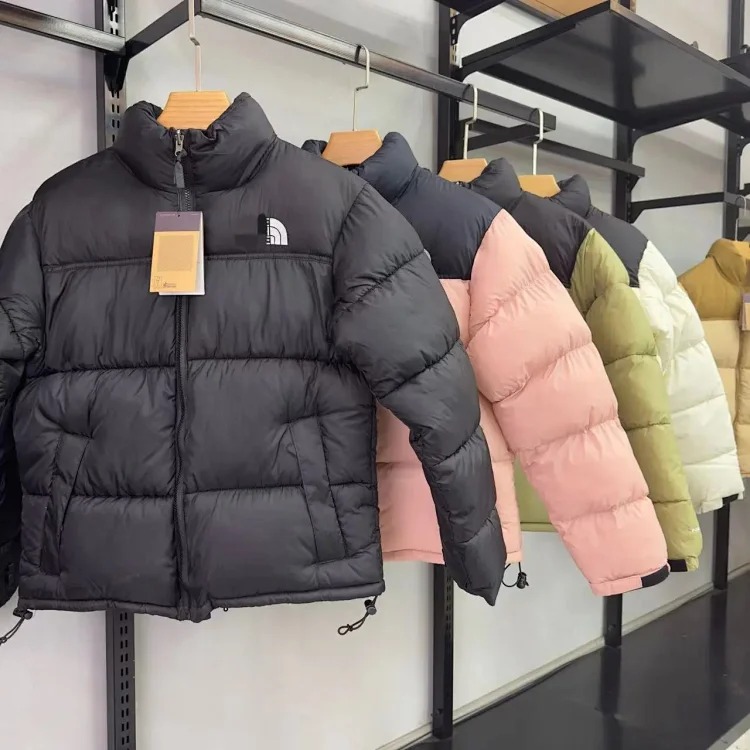
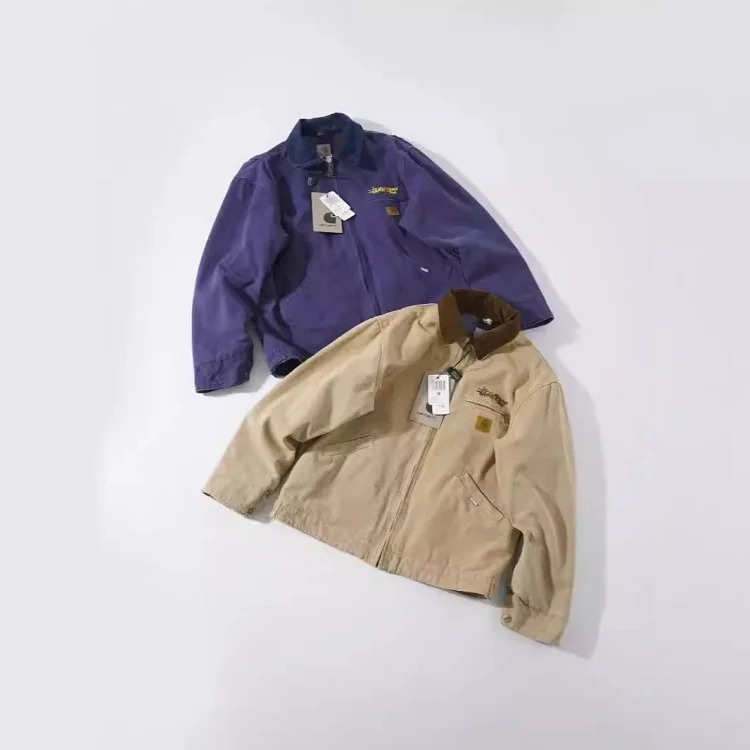
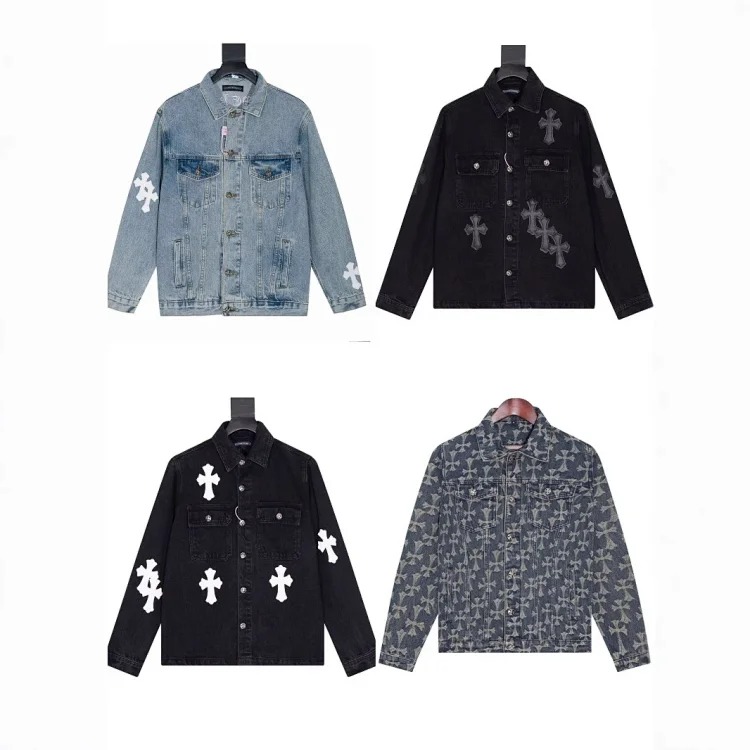
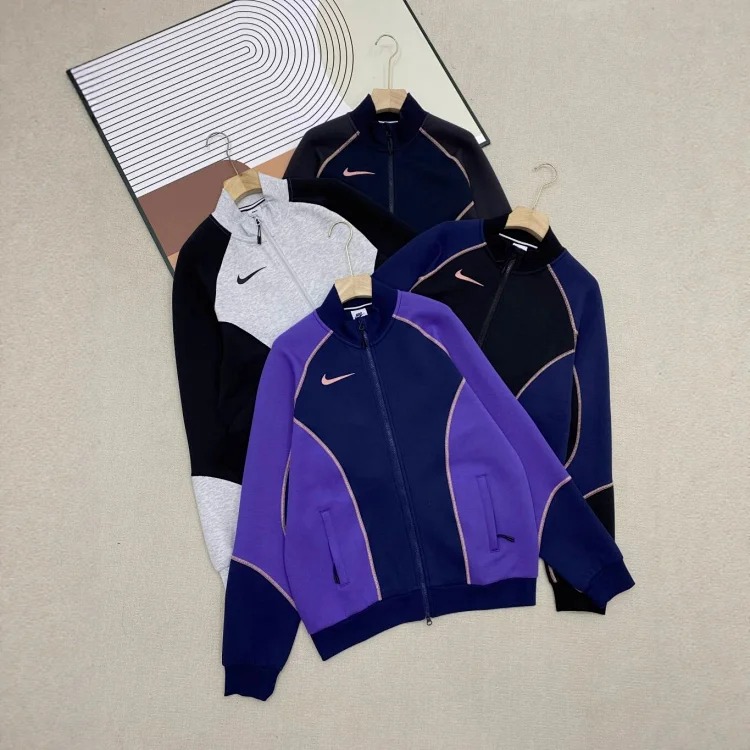
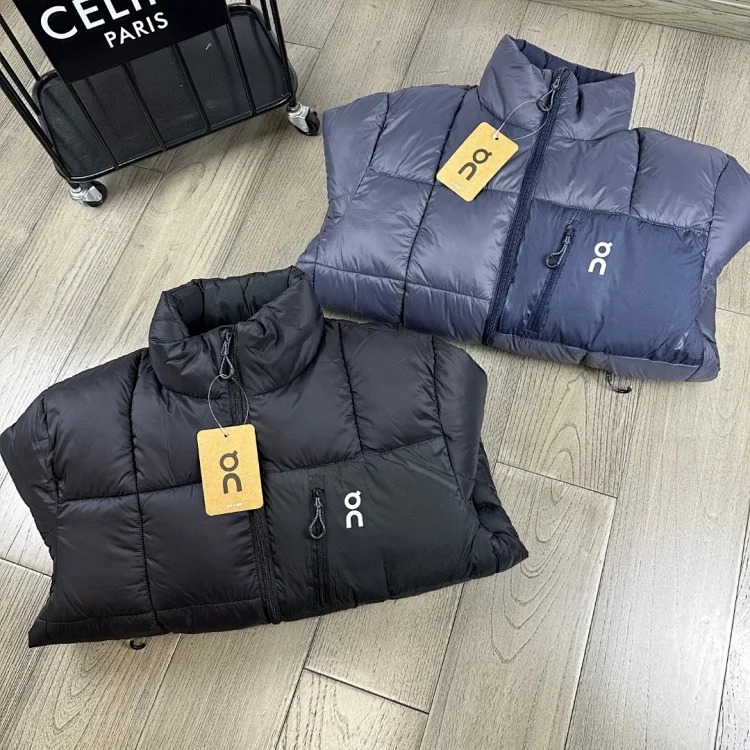
The fleece vest leaves the arms free and can add core warmth without the sleeve volume of a complete jacket. Compare its chest, arm opening, and back length with the layers below it. The cotton and trend jackets may work as everyday outer layers, but their lining and actual fabric weight will determine seasonal range. The denim-and-patch option deserves close attention to rigid panels, seam transitions, and whether its measurements allow reaching movement.
The cardigan-style jacket is useful for mild conditions and indoor transitions, while the down jacket should be assessed for loft, closure, cuff design, collar coverage, and space for insulation. Do not compare these six products as though they deliver identical warmth. Use them to practice matching construction with intended temperature, wind, precipitation, activity level, and layer system.
Build a small comparison table with exact URL, check date, selected variation, material description, seller measurements, intended base layer, expected use, and unresolved questions. Keep one primary and one backup only when both meet the same function. A visually similar product without comparable measurements or material details is not a reliable substitute.
Plan warehouse QC around construction and movement
Before ordering, convert the listing into a QC checklist. Record model, color, size, selected variation, expected material, closures, pockets, graphics, patches, lining, and important dimensions. Save the seller page and size chart. When the item reaches the warehouse, confirm identity first; only then inspect smaller construction details. An accurate seam on the wrong variation does not make the order correct.
For measurement photos, request clearly defined endpoints. Chest should usually be measured flat from armpit to armpit, back length from a consistent collar or neck point to the hem, and sleeve length according to the garment’s shoulder construction. Ask for shoulder, bicep, or hem measurements when they affect layering. Check that the tape is straight and visible. Compare the warehouse result with both the seller chart and your reference jacket, allowing for a reasonable manual tolerance.
Review front, back, both sides, collar, cuffs, hem, pockets, closures, and any decorated panels. Look for major asymmetry, stains, holes, skipped seams, uneven padding, damaged hardware, misaligned graphics, and material changes. For down or padded outerwear, note whether loft appears distributed after unpacking. For denim or mixed-material jackets, inspect transitions and high-stress seams. Request one precise additional image when it can resolve a defined concern.
Fit cannot be proven completely from warehouse photos, but evidence can eliminate obvious mismatches. If chest or sleeve dimensions fall outside an acceptable range, review the return or exchange window before approving international shipping. Keep the order note, seller details, QC images, and decision together so the agent route has a clear audit trail.
Match seasonal use with parcel and shipping decisions
Classify the jacket by actual use rather than a broad season label. A light cardigan may suit cool evenings, a wind-resistant shell may manage exposure without much insulation, and a down jacket may target colder conditions. Consider humidity, wind, rain, commuting time, indoor heating, and activity. Marketing terms such as “winter” or “warm” are not measurable performance ratings, so treat them as prompts for further checking.
Plan a complete layer system: base layer for moisture and comfort, optional mid-layer for warmth, and outer layer for wind or precipitation. Confirm that the jacket measurements accommodate the chosen combination. Too little space compresses insulation and limits movement; too much uncontrolled space can reduce efficiency and distort the silhouette. Cuffs, hem adjustment, collar height, hood design, and zipper coverage can matter as much as headline fabric.
Outerwear also affects parcel cost. Padded jackets can occupy significant volume even when physical weight is moderate. Dense denim, hardware, or mixed panels may add weight and need protection. Ask the warehouse for verified weight and, when volume is important, folded or packed dimensions. Compare physical and dimensional weight using the current route’s formula. Compression may help some soft garments, but it should not be used when it risks coatings, structured panels, decorations, or long-term loft.
When the jacket arrives, test the layer system through ordinary movement rather than judging it only while standing still. Zip or fasten the outer layer, reach forward as if holding a bag or bicycle handle, raise both arms, sit, and bend the elbows. Check whether the hem rises excessively, the back pulls across the shoulders, the cuff retreats too far, or the collar interferes with turning your head. Record which base and mid-layers were worn during the test. This creates useful evidence for comparing the next seller chart and helps distinguish a pattern problem from choosing too many thick layers.
Keep a short seasonal use log after several wears. Note approximate temperature, wind, precipitation, activity, layer combination, and whether you felt cold, overheated, or restricted. The log will not turn a fashion listing into laboratory-tested outdoor equipment, but it reveals the conditions in which the garment is actually useful. It also prevents vague memories such as “warm enough” from becoming future sizing advice. If the jacket works only with a very specific mid-layer, preserve that combination as part of its fit record.
Before submitting a parcel, confirm QC approval, packaging instructions, route acceptance, destination restrictions, insurance eligibility, tracking, and declaration requirements. Decide whether retail packaging adds useful protection or unnecessary space. Consolidation can reduce repeated packaging, but a bulky coat may push the carton into a higher dimensional bracket. Compare compact, protected, and split-parcel scenarios instead of assuming one large parcel is always cheaper.
Continue through the Kakobuy Best Links Index, browse the product category index, follow the link check guide, or read the related Kakobuy sizing guide. For current alternatives, open the OutfitReps jackets category or browse all OutfitReps products.
Useful Kakobuy jacket finds are not simply attractive thumbnails. They are listings whose role, dimensions, material, layer allowance, construction, QC plan, and shipping impact can be explained. Define the job first, compare a known jacket, verify seller evidence, inspect the warehouse item, and approve the parcel only when the product fits both the clothing plan and the logistics plan.